
OUR STORY...
We Work Hard To Provide You The Best Quality Rugs And Kilims And Carpets.
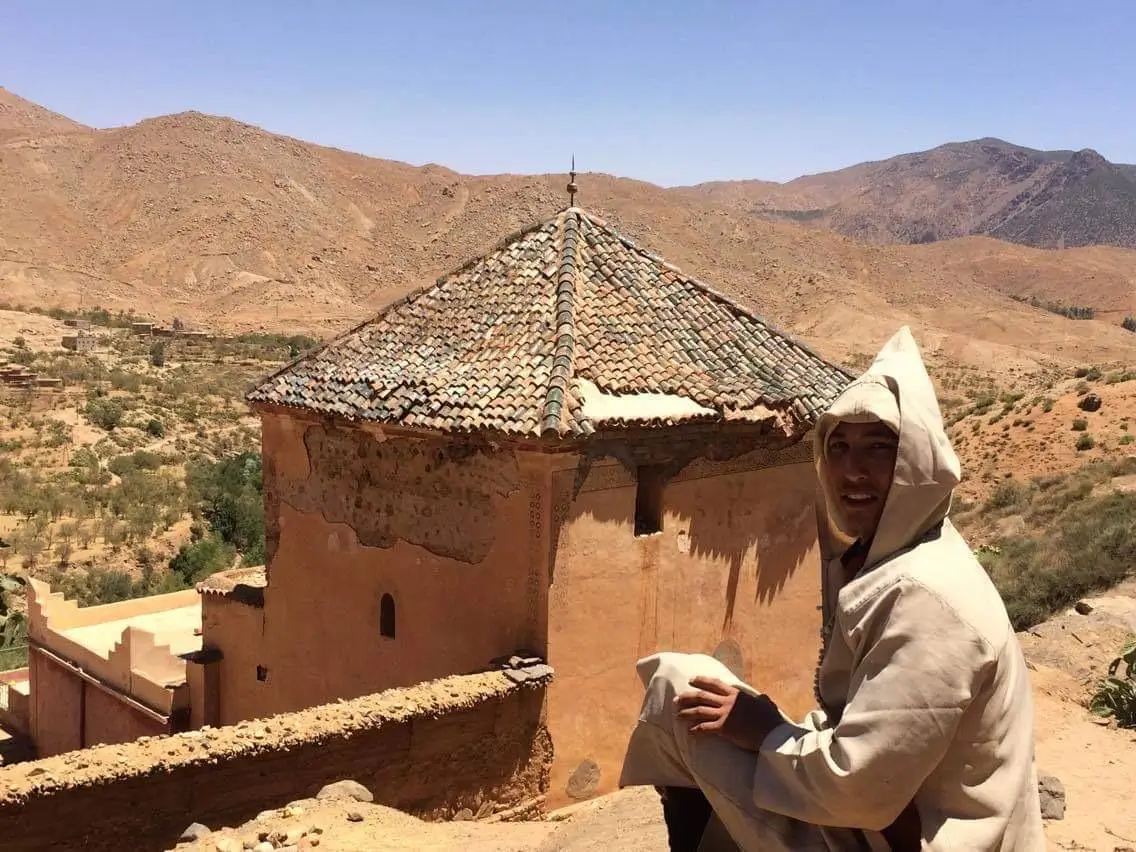
Anir Style
At Anir Style, our journey with Moroccan rugs is not simply a business—it is a lifelong relationship with a craft that has shaped homes, traditions, and communities across the Atlas Mountains for generations.
Through our modest but meaningful experience in weaving, preparing, washing, and caring for handmade rugs, we have come to understand something very important: a rug is never just a product. Over the years we have also had the privilege of speaking with people from many parts of the world who share a love for authentic craftsmanship and meaningful home decor. These conversations have helped us realize that when someone chooses a handmade rug, they are not simply spending money. They are investing in comfort, beauty, culture, and atmosphere.
A Moroccan rug transforms a living space. It warms the room, adds personality, and tells a story. It becomes part of daily life—something you live with, something that welcomes your guests, and something that quietly reflects your taste and identity.
Moroccan rugs, also known as Moroccan Berber carpets, are among the most iconic textile traditions of North Africa. In Morocco, the rug is commonly called “Zarbia” (الزربية) in Arabic. In the Amazigh (Berber) language—Tamazight—we call it “Tagdift.” Across the region, similar weaving traditions can be found, such as the Kabyle carpets of Algeria, which also reflect the creativity and heritage of Amazigh communities.
Within Moroccan weaving traditions, there are generally two main types of textiles.
The first is the pile rug or carpet, which is woven with a thick, soft surface made from wool. These rugs may have long or short pile, but they always carry the warmth and texture of natural wool. They are known for their comfort, durability, and distinctive artistic patterns.
The second type is the flat-woven textile, often known as a Kilim. In Morocco this style is commonly called “Hanbel.” Unlike pile rugs, kilims are woven without a raised surface, creating a lighter and more flexible textile that is often used for decoration, layering, or traditional interiors.
The Moroccan carpet industry is one of the most important and historic sectors of the country’s handicraft heritage. For hundreds of years, Amazigh women in villages across the Atlas Mountains have preserved this art through hand weaving techniques passed down from mothers to daughters. Every rug is created patiently on a traditional loom, using wool that is often prepared and dyed locally.
What makes Moroccan rugs truly unique is not only their beauty, but also their symbolism. Many designs are inspired by daily life, nature, spirituality, and ancient cultural symbols. In a sense, each rug is like a woven story—an artistic expression of memory, identity, and history.
At AnirStyle, our goal is to bring these authentic handmade pieces to homes around the world while honoring the people and traditions behind them. We work closely with artisans and local communities, ensuring that every rug we offer reflects the genuine spirit of Moroccan craftsmanship.
When you bring one of these rugs into your home, you are not simply decorating a room.
You are welcoming a piece of living culture.
Interested? Shop This Collection!
here you can find the best and the finest moroccan carpets and rugs. we hope you will find yours